
cargo insurance
-

Why is Cargo Insurance a Must-Have for E-commerce Retailers?
The modern e-commerce landscape is fraught with unpredictable variables, from shipping delays to damaged goods, making cargo insurance not just a choice but a necessity for retailers. Here are key reasons why e-commerce retailers should consider cargo insurance.
Read more -
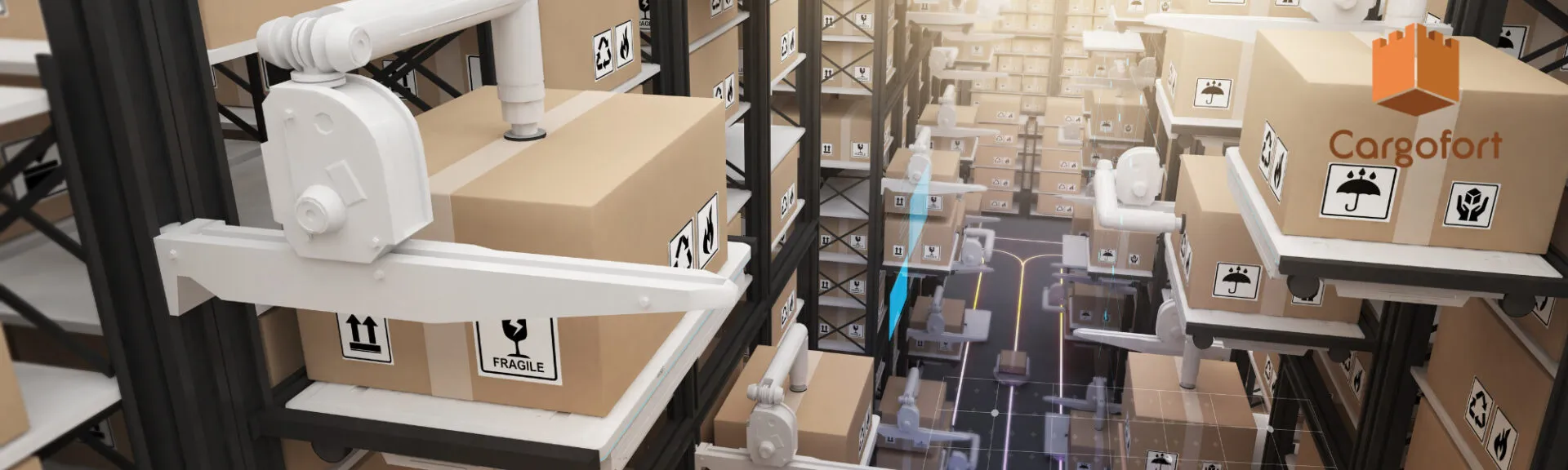
Unlocking the Present Time: The Digital Transformation of Cargo Insurance
Welcome to the present time, where the digital transformation of cargo insurance is revolutionizing the world of logistics. Innovative technologies are reshaping the landscape, streamlining processes, reducing risks, and fostering seamless communication among supply chain stakeholders.
Read more -

Cargo Theft in UK – See How Cargofort Solved Significant Claim
Cargo theft is a daunting challenge within the transport sector, with freight trucks being prime targets for thieves. These criminals employ a variety of methods, from slashing tarpaulins to vandalizing trailers. Regrettably, stolen cargo is often unrecoverable, triggering a series of procedures to assess the damage, establish liability, and uncover the circumstances surrounding the incident. This involves cooperation among insurance companies, cargo owners, carriers, and law enforcement, all driven by a shared goal: minimizing the material consequences and ensuring swift compensation. At Cargofort, we recently managed a case involving the theft of nice pallets, and here’s how we successfully resolved it. The Facts Our client, a transport company, was tasked with transporting goods from Bulgaria to England. After the mandatory rest break for the driver in England, he made a shocking discovery the next morning: a gaping hole in the tarpaulin and all nine pallets of cargo were gone. The Challenges In such thefts, a common tactic is to drug the sleeping driver, allowing thieves ample time to make off with the cargo. In this case, the driver remained oblivious during his break, raising questions about his account of events. Action We promptly informed all stakeholders in…
Read more -

Unveiling the Hidden Dangers: The Consequences of Inaccurate Declared Information in Cargo Insurance
Every day, countless shipments of goods traverse the vast oceans and roads, making their way to their intended destinations. Behind the scenes, Cargo insurance plays a pivotal role in safeguarding these shipments. However, there’s a hidden danger that can threaten the very essence of this protection – inaccurate declarations about the cargo. In this article, we will embark on a journey to explore the critical issue of inaccurate declared information about the shipments in cargo insurance. We will uncover the dire consequences that can arise when the type or parameters of goods are not properly declared and learn how these pitfalls can be avoided. The Consequences Imagine this scenario: A shipment of valuable electronics arrives at its destination, but upon inspection, it’s discovered that the cargo was improperly declared as ordinary household items. Suddenly, the cargo insurance policy that should have provided peace of mind becomes a source of frustration and financial burden. The consequences of inaccurate cargo declarations can be severe. First and foremost, insurance claims can be denied. When goods are not declared accurately, it can create coverage gaps, effectively rendering the policy useless. Denied claims can lead to substantial financial losses and jeopardize the financial stability of…
Read more -

The Rise of Insurtech: How Technology is Revolutionizing the Insurance Industry
In recent years, the insurance industry has experienced a remarkable transformation, driven by the unstoppable rise of insurtech. This merging of insurance and technology has brought about a new era of innovation, empowering insurers, and policyholders alike. By streamlining processes, enhancing customer experiences, and leveraging cutting-edge technologies, insurtech is reshaping the insurance landscape at an astonishing pace. Let’s delve deeper into this revolution and explore how technology is revolutionizing the insurance industry. Automation and Efficiency: Insurtech solutions have significantly impacted the insurance industry by automating processes that were once manual and time-consuming. According to a report by McKinsey & Company, automation can reduce administrative costs by up to 50%. Tasks such as policy issuance, underwriting, and claims processing can now be performed swiftly and accurately using advanced technologies. This saves time for both insurers and customers while improving overall operational efficiency. Data Analytics and Personalization: Insurtech leverages data analytics to gain valuable insights into customer behavior and risk profiles. Insurers can analyze vast amounts of data to develop more accurate risk models and make informed underwriting decisions. This data-driven approach allows insurers to tailor policies to individual needs and preferences, providing customers with personalized coverage options. According to a survey…
Read more -

E-commerce Business – What Advantages the Insurance of Goods Brings to It
In the last few years, online trade /e-commerce/ in Bulgaria has seen significant growth from year to year. According to information published in Capital by the Bulgarian E-commerce Association (BEA), citing data from the “Passport of the e-commerce industry in Bulgaria 2022”, the expected growth in B2C (business to end user) for 2022 is 30% and a volume of 1.64 billion EUR compared to the previous year 2021. The trends are this percentage to grow. Together with this, the expectations and demands of the buyers towards the Internet merchants are increasing. According to statistics, the most frequently purchased goods are: clothes, shoes and accessories. Sports goods. Furniture and home goods. Consumer electronics and equipment (laptops, phones). The delivery methods chosen by users are: door delivery (63.83%). Courier office delivery (32.66%). Pick up from physical store or courier locker (3.50%). In relation to these trends, below we will address the important aspects of ensuring the risks that exist for online stores and consumers when the goods are sold, shipped and delivered. Most of the goods listed above tend to be expensive, light, fragile, and susceptible to getting wet, damaged, or missing. Therefore, online traders should ensure shippers provide adequate compensation…
Read more