
logistics
-

The Rise of Insurtech: How Technology is Revolutionizing the Insurance Industry
In recent years, the insurance industry has experienced a remarkable transformation, driven by the unstoppable rise of insurtech. This merging of insurance and technology has brought about a new era of innovation, empowering insurers, and policyholders alike. By streamlining processes, enhancing customer experiences, and leveraging cutting-edge technologies, insurtech is reshaping the insurance landscape at an astonishing pace. Let’s delve deeper into this revolution and explore how technology is revolutionizing the insurance industry. Automation and Efficiency: Insurtech solutions have significantly impacted the insurance industry by automating processes that were once manual and time-consuming. According to a report by McKinsey & Company, automation can reduce administrative costs by up to 50%. Tasks such as policy issuance, underwriting, and claims processing can now be performed swiftly and accurately using advanced technologies. This saves time for both insurers and customers while improving overall operational efficiency. Data Analytics and Personalization: Insurtech leverages data analytics to gain valuable insights into customer behavior and risk profiles. Insurers can analyze vast amounts of data to develop more accurate risk models and make informed underwriting decisions. This data-driven approach allows insurers to tailor policies to individual needs and preferences, providing customers with personalized coverage options. According to a survey…
Read more -

E-commerce Business – What Advantages the Insurance of Goods Brings to It
In the last few years, online trade /e-commerce/ in Bulgaria has seen significant growth from year to year. According to information published in Capital by the Bulgarian E-commerce Association (BEA), citing data from the “Passport of the e-commerce industry in Bulgaria 2022”, the expected growth in B2C (business to end user) for 2022 is 30% and a volume of 1.64 billion EUR compared to the previous year 2021. The trends are this percentage to grow. Together with this, the expectations and demands of the buyers towards the Internet merchants are increasing. According to statistics, the most frequently purchased goods are: clothes, shoes and accessories. Sports goods. Furniture and home goods. Consumer electronics and equipment (laptops, phones). The delivery methods chosen by users are: door delivery (63.83%). Courier office delivery (32.66%). Pick up from physical store or courier locker (3.50%). In relation to these trends, below we will address the important aspects of ensuring the risks that exist for online stores and consumers when the goods are sold, shipped and delivered. Most of the goods listed above tend to be expensive, light, fragile, and susceptible to getting wet, damaged, or missing. Therefore, online traders should ensure shippers provide adequate compensation…
Read more -
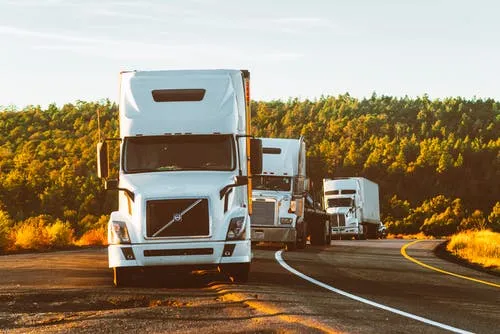
Carrier’s Liability under CMR Convention
1. What is „Carrier’s Liability Insurance (CMR Liability Insurance)” Carrier’s Liability Insurance (CMR Liability Insurance) is a type of insurance coverage for carriers (trucking, shipping or transportation companies). It provides protection against financial losses incurred due to damage or loss of goods during transit. This insurance covers the carrier’s liability for loss or damage to the goods. Up to a specified limit, as defined in the CMR Convention. Convention on the Contract for the International Carriage of Goods by Road is an international treaty that defines the rights and obligations of carriers and consignors. The CMR insurance helps to ensure that the carrier is protected against potential financial claims. By the consignor or the consignee in the event of loss or damage to the goods. 2. Is CMR Liability Insurance a must for every transport company? There are several reasons why this kind of insurance product became a must in the field of logistics: Legal/Contractual obligation. Under most contracts for carriage, carriers are legally obliged to have insurance coverage for the goods they transport. Financial Protection. This insurance provides financial protection to carriers in case of loss or damage to goods during transit. It helps carriers to cover their…
Read more -

What are the Responsibilities of the Freight Forwarder?
1. What is Forwarder’s Liability Insurance? This type of insurance product is chosen by owners and managers of forwarding companies who want to run a successful and sustainable business, despite the risks they take in carrying out their activities. “Forwarder’s Liability” insurance covers the contractual liability of the insured company for the transport, forwarding and logistics contracts it concludes with its customers. This is because the freight forwarder is liable not only for damages caused by its employees, but also for those caused by its chosen subcontractor. This condition is valid for any type of contract and transport and is regulated by the applicable transport law or Convention. For example, in the case of a land transport contract, Art. 3 2 of the CMR Convention 3 defines this condition. Why do we mention contractual liability? Precisely because it is the basis of the type of coverage and the series of insured risks that are mandatory for this policy to be an efficient tool in case of damage. A little below we will pay special attention to this topic. 2. Why is Forwarder’s Liability Insurance necessary for every forwarder on the market? Like many other insurances, this one is also…
Read more -
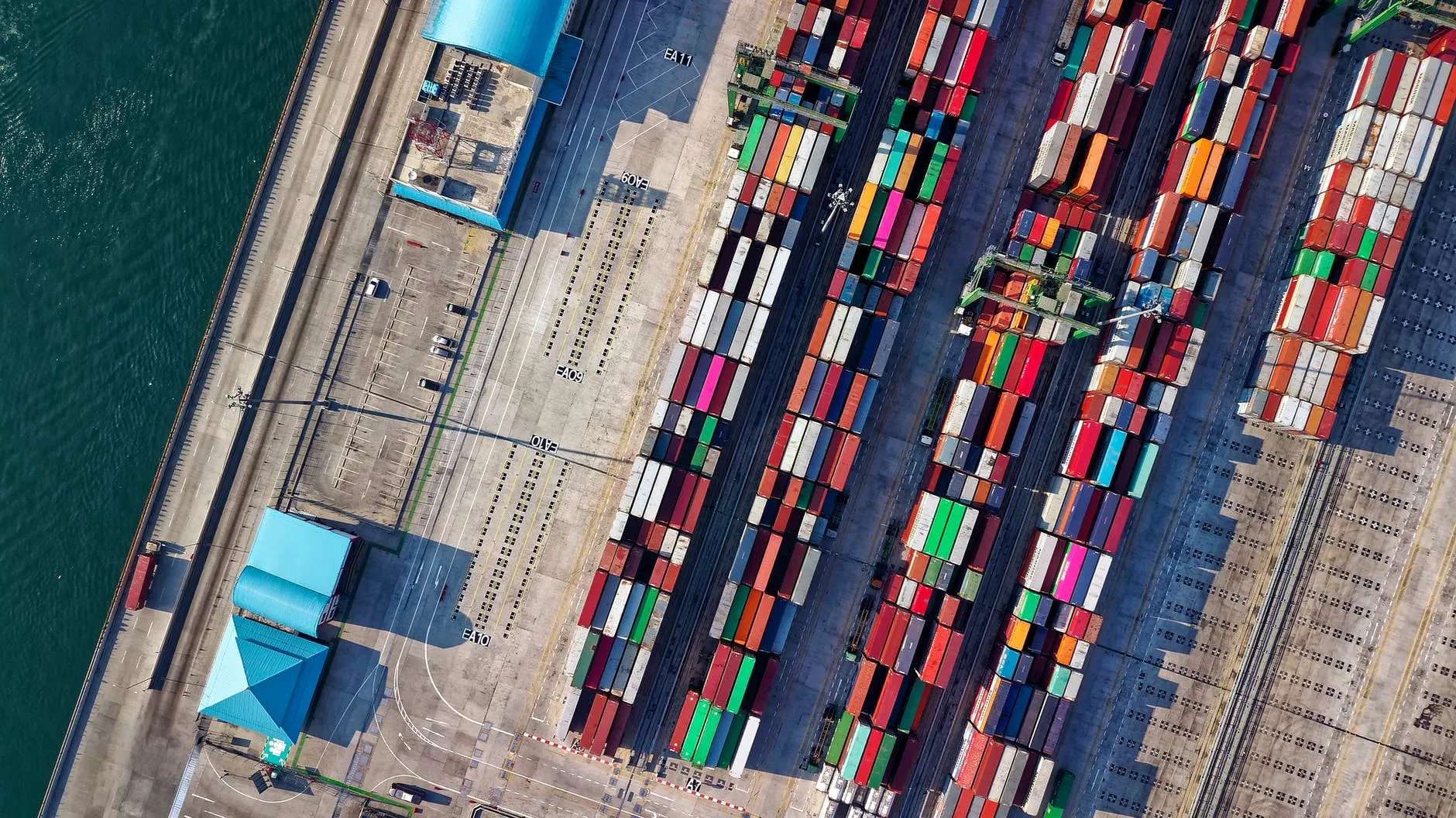
What is valuable to know about “Cargo Insurance” in 2022?
1. What is Cargo Insurance? 🤔 Cargo Insurance is a risk management tool designed for cargo owners, traders, freight forwarders and logistics companies. It provides protection for goods during transport. This is the most reasonable and safe way for companies to ensure that they are compensated for the exact value in an event of loss. Businesses that choose cargo insurance instead of keeping their fingers crossed for their shipments are aware of the many drivers in the transport chain. They are familiar with the many variable conditions and the likelihood that their cargo will be damaged or devalued by an external event. Does that mean they are negative, thinking that the worst could happen? Fortunately – no! Rather, it is market knowledge and realistic judgment. Statistically, very often something goes wrong with transports and losses occur due to unforeseen events. The leading idea of cargo insurance is to provide peace of mind when it comes to events during transport. The fact that you may have never had theft or damage to your cargo does not reduce your overall risk exposure. To understand why this view is incorrect, we need to look at how many problems there are annually with basic…
Read more